


Published: November 16, 2026
What Are Food Packaging Materials: Understand Use Cases, Types and Buying Tips
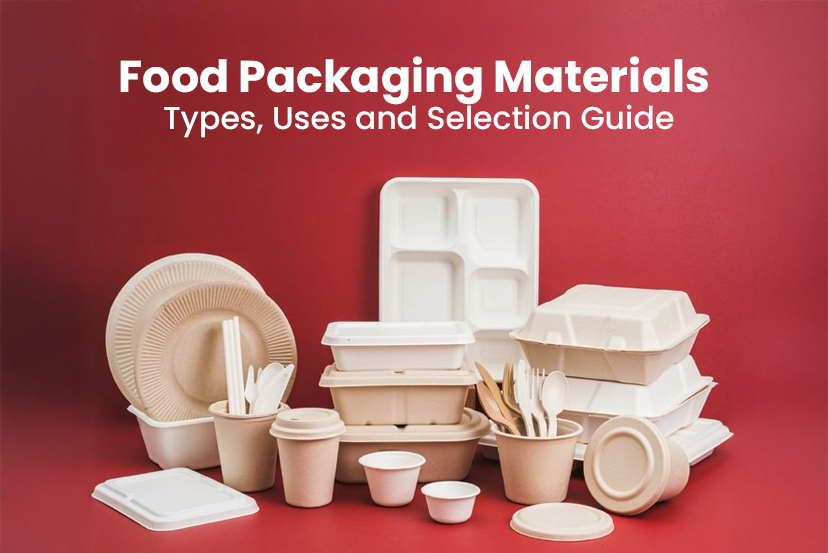
Food packaging is one of the most useful, important, and reliable packaging options to keep food items safe from being contaminated and spoiled. Using the correct material will help ensure your food stays fresh plenty longer, and can also help you get your products safely from manufacturers to consumers. There are different types of materials used in manufacturing top-quality food packaging, such as paper bags, aluminium foil, and glass jars etc.
Using the right packaging material will help businesses keep the right standard for their products. It can also help prevent food waste, reduce costs spent on packaging solutions and improve customer experience.
Below we take a look at the 10 most common food packaging materials, what they are used for, the benefits they provide and considerations that should be made when choosing the correct packaging for your food.
What Do You understand by Food Packaging Materials?
Food packaging materials are made from different substances, designed to hold food items for a longer duration, protect them from any contamination, and preserve them easily. These materials are highly efficient at keeping your food safe from moisture, dirt, light, and oxidation reactions. They primarily help in many ways, such as:
- Keep food fresh.
- Stop the food from becoming contaminated and leaking.
- Increase shelf life.
- Protect food.
- Make it look good.
- Easy to store.
Go through the 10 Types of Food Packaging Materials and Their Uses
We have provided a complete list of the best food packaging materials that remain in high demand across various food-related and FMCG industries. They can be used in various ways and are compatible for different food items.
1. Plastic Food Packaging
Because of its lightweight, flexible, and durable nature, plastic is one of the most commonly used materials for food packaging. Common food grade plastics used are PET, HDPE, LDPE and PP.
Uses:
- Water, juices & drink bottles
- Dairy containers
- Robust pouches for snacks and processed food items
- Film packaging for fruit & vegetables.
- Airtight packaging option for meat and ready-to-eat trays
Benefits: They offer a wide range of benefits such as affordable, versatile and can be a flexible or rigid material.
2. Paper Food Packaging
Paper packaging can be used for dry food items, take away food and baked goods. Paper packaging comes in a variety of forms including bags, wrap, cups, cartons and paper board packaging. A waterproof coating may be required if the food item is greasy or wet.
Used for:
- Baked goods bags / Sandwich wraps
- Take away food bags
- Paper cups / Food containers
- Dry snacks
- Confectionery wraps
Benefits: Paper food packaging deliver various benefits like Lightweight, can be printed, personalised and recycled if the facilities are available.
3. Aluminium Foil Packaging
Aluminium foil offers great resistance against light, oxygen, moisture and outside smells. It can be found in many areas of food packaging, storage & wrapping.
Use
- Ready-meals
- Packaging & storage
- Bakery & confectionary
- Take-away food trays
- Processed food packaging
Advantages: Great barrier properties, light weight and can offer heat resistance for the right application. Can also be recycled.
Also read: Top 10 Food Tray Manufacturers in India 2026
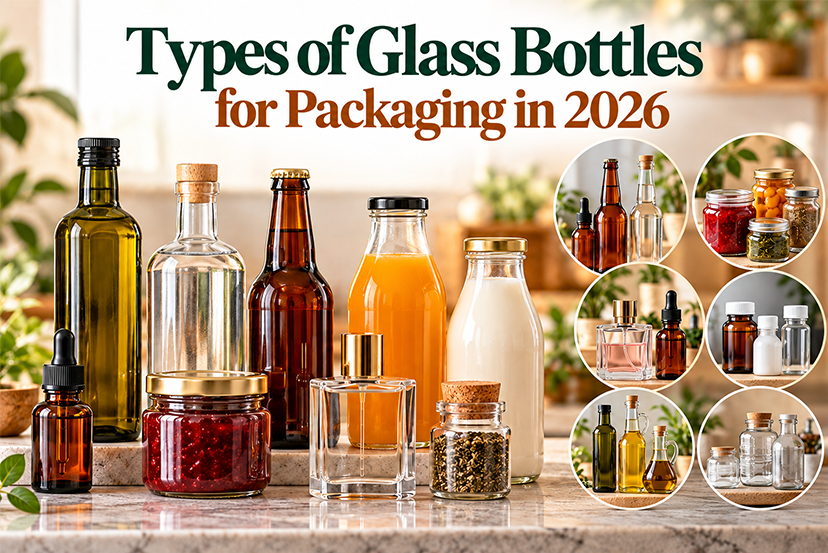
4. Glass Food Packaging
This packaging is non porous so it provides a good barrier to moisture, gas and outside smells. It is good for products which need long term storage and are visible.
Can be used for:
- Juice and drink bottles.
- Jam, honey and pickle jars.
- Sauce and condiment containers.
- Preserved food packaging.
- Baby food containers.
Advantages: They can be reused, recycled, chemically stable, and very good at keeping products safe.
5. Metal Food Packaging
This type of packaging uses metal such as steel and tin plate. This provides good physical protection and can protect against light. Oxygen and moisture exposure. It is commonly used for canned foods and food processing.
Uses:
- Fruit and vegetable cans.
- Soups and ready-to-eat meals.
- Seafood and meat cans.
- Cans for drinks.
- Powdered foods.
Advantages: Strong, durable, sustainable, and if designed correctly, it can go through thermal processing.
6. Cardboard and Corrugated Packaging
Cardboard and corrugated packaging are secondary and transport packaging. Corrugated boxes have fluted layers to add extra strength and protection.
Uses:
- For Pizza boxes
- Cereal packaging
- Fruit and vegetable boxes
- Bulk transportation of food
Benefits: They are known for being easy to handle, can be stacked together, can be bespoke and can be recycled if clean and available at your local recycling centres.
7. Biodegradable Food Packaging
Biodegradable packaging will break down using biological processes given the right conditions. This type of packaging can be made using natural materials such as starch, cellulose and biodegradable polymers.
Used for:
- Single use food containers
- Takeaway boxes/plates
- Packaging bags
- Fresh produce packaging
- Restaurant/Catering
Benefits: Can help reduce reliance on standard plastics and can make your business more sustainable. The compostable nature will depend on the material used and what facilities are available.
8. Flexible Packaging
Flexible packaging is any type of package made from plastic, card, aluminium foil or a multi layered material. These can include pouches, films, sachets and wrappers.
Applications:
- Snack packets (chips)
- Instant noodles
- Coffee/tea pouches
- Frozen foods
- Spices and powders.
Advantages: They offer you many advantages, such as saving space, bespoke design, and specific barrier protection for each application.
9. Vacuum Food Packaging
This is where food is packaged using special film/pouches to help create a vacuum seal. It stops the entry of oxygen, helping in eleminiating the risk of oxidation reaction.
The lack of oxygen helps reduce oxidation and some spoilage.
Used for:
- Seafood items and different types of fish products
- Cheese and dairy
- Frozen food
- Precooked and ready-to-eat meals
- Raw and cooked meats
Benefits: It includes benefits like reduced oxygen contact which helps keep food quality, reduces seepage and can be stored efficiently.
10. Advanced Food Packaging
There are many food packaging materials designed with technology to enhance the overall life of the product kept inside. They are equipped with features like freshness indicators, humidity controllers, and high-quality sensors for temperature (low or high.
Uses:
- Special seafood packaging solution
- Fresh foods
- Premium packed products
- Temperature-sensitive foods
Benefits: Help with quality control, storage conditions, and increase visibility throughout the supply chain.
How to Choose the Right Food Packaging Material?
It is necessary to follow the right strategy before selecting food packaging materials. There are various types of food items, and they require different packaging materials based on their chemical composition, temperature, storage and many more. Therefore, it becomes pivotal to have the right strategy before selecting the right food product. We have listed some important factors you must consider before picking the packaging solution.
- Type of Food Product: Specific to the type of food, whether it is dry, liquid, semi-solid, oily, frozen, or even highly perishable, choose the food packaging material. You must procure the right food packaging material compatible with each type of food item.
- Moisture and Oxygen Protection: The most common issues faced during food storage are moisture and oxidation. Therefore, to maintain freshness, you can opt for glass packaging material or plastic films and aluminium laminates
- Food Safety and Compliance: Every food packaging material you plan to opt for must comply with rules and regulations under FSSAI packaging.
- Cost and durability: Consider the cost of the material, production, transport, storage, and any loss of product. The least expensive option may not be the most cost-effective.
- Sustainability: Consider what options are available for recycling, reusing, composting, and using a bio-based material. Choose materials based on practical disposal and their environmental impact.
- Brand and usability: Consider what packaging will allow your products to look great, allow clear labelling, easy opening and re-sealing, and easy storage. Packaging that is functional can help increase customer satisfaction and brand awareness.
Conclusion
For FMCG and food-related industries, it is necessary to find the perfect, compatible, and long-lasting packaging solution. It helps them to maintain their food quality, freshness, and safety and improves the shelf life. Businesses and industries can simply opt for glass, plastic, aluminium, and various types of biodegradable food packaging solutions. Additionally, platforms like Packaging Moglix help you procure top-quality food packaging materials at wholesale prices. You can simply raise the RFQs based on your requirements and get them delivered to your doorstep with logo design, branding, top quality, and cost-effectiveness.
Get In Touch