


Published: January 14, 2026
How Packaging is Important in E-Commerce Marketing?
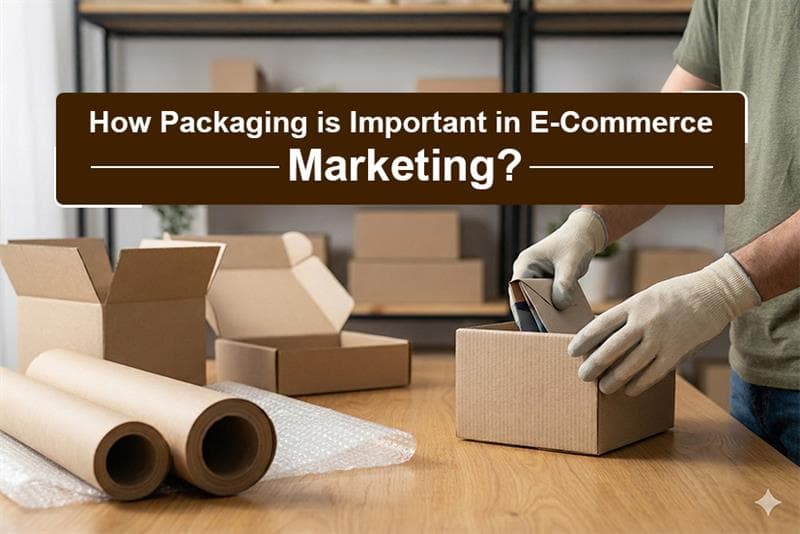
In today’s highly competitive digital marketplace, packaging has become a powerful marketing tool for e-commerce businesses. With millions of online sellers offering similar products, packaging is no longer just about protection—it plays a crucial role in branding, customer experience, logistics, and customer retention. Unlike physical retail stores, e-commerce brands have only one physical touchpoint with customers: the product packaging. This makes packaging a vital component of an e-commerce marketing strategy. If you are looking for a complete packaging solution, then you can opt for the Moglix packaging. We provide you with overall packaging material as per your product and project requirements.
This article explores why packaging is important in e-commerce marketing, its benefits, types, trends, and how businesses can use packaging to drive growth.
Understand The Importance Of Packaging In Marketing: 10 Points To Remember
Based on the overall understanding, we have curated 10 points for the importance of packaging in overall e-commerce marketing. Let's drive through them:
1. First Impression and Brand Identity
Packaging creates the first physical impression of an online brand. Since customers cannot touch or see the product before purchase, the unboxing experience becomes the moment when expectations are met—or broken.
- Custom-designed boxes, logos, colors, and typography help establish brand identity
- Premium packaging builds trust and conveys quality
- Consistent packaging improves brand recall and recognition
A well-designed e-commerce package makes customers feel they made the right purchasing decision and strengthens brand loyalty.
2. Packaging as a Marketing Tool
Packaging acts as silent advertising for e-commerce brands. From branded boxes to inserts and QR codes, packaging continues marketing even after delivery.
Marketing benefits of e-commerce packaging include:
- Promoting brand values and messaging
- Encouraging social media sharing (unboxing videos)
- Cross-selling and upselling through flyers or discount coupons
- Driving repeat purchases with loyalty messages
In the age of Instagram and YouTube, visually appealing packaging can go viral, giving brands free marketing exposure.
3. Enhancing Customer Experience (Unboxing Experience)
The unboxing experience has become a key factor in customer satisfaction. A thoughtfully packed product can turn a one-time buyer into a repeat customer.
- Neatly packed items increase perceived product value
- Protective inserts reduce damage and return
- Personalized notes create an emotional connection
A positive unboxing experience improves customer reviews, ratings, and word-of-mouth marketing.
4. Product Protection and Reduced Returns
One of the most important roles of packaging in e-commerce is protecting products during transit. Poor packaging leads to damaged goods, unhappy customers, and high return rates.
Effective packaging:
- Prevents breakage, leakage, and wear
- Reduces logistics and replacement costs
- Ensures products reach customers in perfect condition
Strong packaging improves operational efficiency while protecting brand reputation.
5. Cost Efficiency and Logistics Optimization
Smart packaging design helps e-commerce businesses optimize shipping costs and storage.
- Right-sized packaging reduces shipping weight and dimensional charges
- Stackable designs improve warehouse efficiency
- Lightweight materials lower transportation costs
Well-planned packaging directly impacts profit margins by reducing unnecessary expenses.
6. Sustainable Packaging Builds Brand Trust
Eco-friendly packaging has become a major differentiator in e-commerce marketing. Modern consumers prefer brands that demonstrate environmental responsibility.
Benefits of sustainable packaging:
- Builds positive brand image
- Appeals to eco-conscious customers
- Reduces environmental footprint
- Meets regulatory and marketplace guidelines
Materials like recyclable cardboard, paper fillers, biodegradable plastics, and minimal packaging designs help brands align with sustainability goals.
7. Custom Packaging Improves Brand Recognition
Custom packaging is essential for standing out in a crowded e-commerce marketplace.
Examples include:
- Branded corrugated boxes
- Custom-printed poly mailers
- Logo-printed tapes and labels
Custom packaging reinforces branding and increases customer recall, making it easier for buyers to recognize the brand in future purchases.
8. Packaging Influences Customer Reviews and Ratings
Customer feedback in e-commerce is heavily influenced by packaging quality.
Good packaging leads to:
- Positive product reviews
- Higher seller ratings
- Fewer complaints and disputes
Poor packaging, even with a great product, can result in negative reviews and lower conversion rates.
9. Packaging and Personalization in E-Commerce
Personalized packaging adds a human touch to online shopping.
Examples of personalization:
- Customer name on packaging
- Thank-you cards
- Occasion-based packaging (festive, gifting, birthdays)
Personalized packaging enhances customer loyalty and emotional connection with the brand.
10. Compliance and Information Transparency
E-commerce packaging must also meet legal and informational requirements.
Important information includes:
- Product details and usage instructions
- Manufacturing and expiry dates
- Barcodes and QR codes
- Return and contact information
Clear labeling builds transparency and increases customer confidence.
Types of Packaging Used in E-Commerce
Common e-commerce packaging types include:
- Corrugated cardboard boxes
- Poly mailers and courier bags
- Bubble wrap and air pillows
- Paper fillers and molded pulp
- Tamper-proof packaging
Choosing the right packaging depends on product type, size, fragility, and shipping distance.
Future Trends in E-Commerce Packaging
The future of e-commerce packaging focuses on innovation and sustainability.
Key trends include:
- Minimalist and right-sized packaging
- Smart packaging with QR codes and tracking
- Reusable and returnable packaging
- Plastic-free and compostable materials
Brands adopting these trends gain a competitive edge in modern e-commerce marketing.
Conclusion
Packaging is no longer just a protective layer; it is a powerful marketing asset in e-commerce. From branding and customer experience to logistics optimization and sustainability, packaging solution influences every stage of the e-commerce journey. Businesses that invest in smart, sustainable, and customer-centric packaging gain higher customer satisfaction, better brand visibility, and long-term growth. In the fast-evolving world of e-commerce marketing, great packaging is not an expense, it’s an investment.
Tags:
Get In Touch