


April 9, 2026
Importance Of Blister Packaging: Types, Features, And Advantages
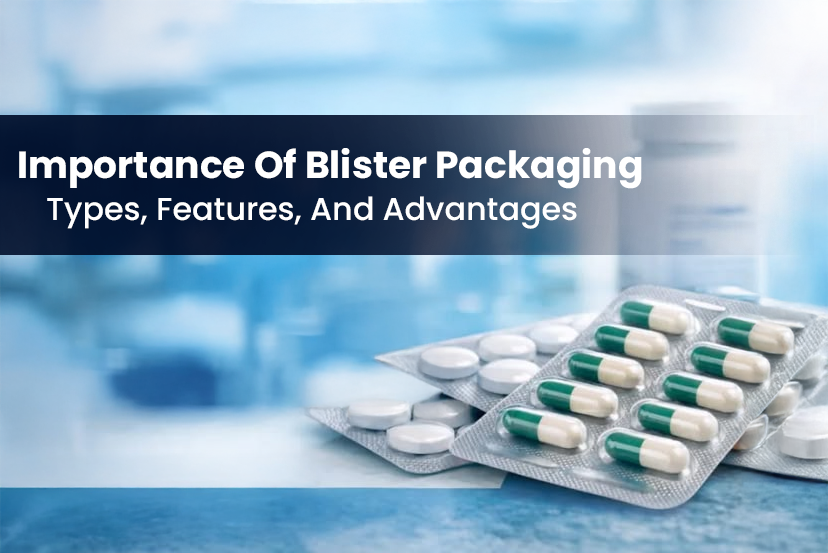
Blister packaging is one of the most widely used packaging solutions across industries such as pharmaceuticals, electronics, consumer goods, hardware, cosmetics, and food. It is designed to offer strong product protection, clear visibility, tamper resistance, and attractive shelf presentation. Whether you are packaging tablets, batteries, tools, or small retail items, blister packaging helps keep products secure, organized, and market-ready. Its practical design and cost-effectiveness make it a preferred choice for manufacturers, suppliers, and retailers alike.
In this blog, we will explore what blister packaging is, why it is important, its different types, major features, and the many advantages it offers to businesses and end users.
What Is Blister Packaging?
Blister packaging is a type of pre-formed plastic packaging in which a product is enclosed in a transparent cavity or pocket, usually backed by paperboard, aluminum foil, or plastic film. The plastic blister holds the item firmly in place while the backing seals and protects it from contamination, moisture, dust, and physical damage.
This packaging format is commonly used for products that require both visibility and protection. In retail settings, blister packs make products easy to display and identify, while in industrial and pharmaceutical applications, they help ensure hygiene, safety, and accurate product handling.
Why Is Blister Packaging Important?
Blister packaging plays a crucial role in modern product packaging because it combines functionality, product safety, and marketing appeal in one solution. It is especially important for products that are small, delicate, or need individual unit protection.
Key Reasons Why Blister Packaging Is Important:
- Helps protect products from dust, moisture, and contamination
- Offers clear product visibility without opening the pack
- Improves shelf appeal and brand presentation
- Reduces the risk of tampering and theft
- Makes storage, handling, and transportation easier
- Supports product segregation and organized packaging
- Extends product shelf life in many applications
- Enhances customer trust through sealed and secure packaging
For businesses, blister packaging is not just a protective layer—it is also a smart packaging and branding tool that can directly influence buying decisions.
What are the Types Of Blister Packaging?
There are several types of blister packaging available depending on the nature of the product, level of protection needed, and industry-specific requirements.
1. Face Seal Blister Packaging
Face seal blister packaging is one of the most common and economical forms of blister packs. In this type, the pre-formed plastic blister is sealed only to the front surface of a printed paperboard card.
Best For:
- Small consumer goods
- Toys
- Batteries
- Stationery items
- Hardware accessories
Benefits:
- Cost-effective
- Good visual presentation
- Suitable for lightweight products
2. Full Card Blister Packaging
In full card blister packaging, the blister is attached to the full front side of the backing card, providing more support and better product stability than face seal packs.
Best For:
- Retail accessories
- Small tools
- Electronics
- Household products
Benefits:
- Better card support
- Improved product protection
- Attractive display packaging
3. Trapped Blister Packaging
Trapped blister packaging involves placing the blister between two layers of card material, with one layer holding the blister in place. This gives the package a premium and clean appearance.
Best For:
- Premium retail products
- Cosmetic accessories
- Small electronics
- Gift items
Benefits:
- Better aesthetics
- Enhanced branding area
- Secure product placement
4. Clamshell Blister Packaging
Clamshell packaging consists of two plastic halves joined by a hinge, allowing the package to open and close like a shell. It may be sealed permanently or designed for reusable opening.
Best For:
- Electronics
- Chargers
- Toys
- Tools
- Personal care items
Benefits:
- High product protection
- Strong tamper resistance
- Durable and reusable in some cases
5. Slide Blister Packaging
Slide blister packs include a blister tray and a printed card sleeve. The product is placed inside the blister tray, which slides into the card.
Best For:
- Promotional products
- Retail gift items
- Lightweight accessories
Benefits:
- Elegant presentation
- Reusable design
- Good for branding and display
6. Pharmaceutical Blister Packaging
This is one of the most important forms of blister packaging, especially in the healthcare and medicine sector. Tablets and capsules are individually sealed in cavities using plastic film and aluminum foil.
Best For:
- Tablets
- Capsules
- Medical dosage units
Benefits:
- High hygiene standards
- Moisture and contamination resistance
- Easy dosage management
- Improved product shelf life
Understand the Common Materials Used In Blister Packaging
The performance and quality of blister packaging depend heavily on the materials used. Different materials are selected based on the required barrier properties, durability, transparency, and cost.
Popular Blister Packaging Materials:
Material | Common Use | Key Benefit |
PVC (Polyvinyl Chloride) | General retail and pharma blister packs | Affordable and transparent |
PET (Polyethylene Terephthalate) | Consumer goods and eco-friendly packaging | Strong and recyclable |
PETG | Medical and premium packaging | Good clarity and toughness |
Aluminum Foil | Pharmaceutical blister packs | Excellent barrier protection |
Paperboard | Backing cards | Printable and lightweight |
RPET | Sustainable packaging | Recycled and eco-conscious |
Choosing the right material is important to ensure product protection, visual appeal, and packaging efficiency.
Quick look at the Key Features Of Blister Packaging
Blister packaging is highly preferred because of the wide range of useful features it offers across industries.
1. Product Visibility
One of the biggest advantages of blister packaging is that it allows customers to see the actual product without opening the package. This transparency builds trust and helps in quick purchase decisions.
2. Strong Product Protection
Blister packs protect products from dust, dirt, moisture, handling damage, and external contamination. This is especially useful for fragile or sensitive products.
3. Tamper-Evident Design
Many blister packages are designed to show clear signs if the pack has been opened or tampered with. This is highly important for medicines, electronics, and personal care products.
4. Lightweight And Compact
Blister packaging is usually lightweight and occupies less space, making it efficient for shipping, storage, and retail display.
5. Customizable Design
Blister packs can be customized in different shapes, sizes, depths, and designs to fit specific products and branding requirements.
6. Easy Branding And Labeling
The paperboard or printed insert allows companies to include product information, branding, instructions, barcodes, and marketing visuals.
7. Unit Dose And Organized Packing
In sectors like pharmaceuticals and hardware, blister packaging helps separate products into individual units, improving convenience and inventory handling.
Advantages Of Blister Packaging
Blister packaging offers many practical and commercial advantages, making it one of the most versatile packaging formats available today.
1. Enhanced Product Safety
Blister packaging provides a sealed environment that helps protect products from contamination, accidental exposure, and damage. This is especially beneficial for healthcare, food, and sensitive retail products.
2. Better Shelf Appeal
A well-designed blister pack creates a clean, professional, and attractive product presentation. Since the product is visible, it naturally enhances shelf presence and customer attention.
3. Improved Customer Convenience
Consumers find blister packs easy to identify, handle, and use. In the case of medicine packaging, they also help track dosage and improve usage convenience.
4. Reduced Product Loss And Damage
Since products are held securely inside a shaped cavity, the chances of breakage, movement, or mishandling are reduced significantly during transport and storage.
5. Cost-Effective Packaging Solution
For many industries, blister packaging is a cost-efficient option because it combines protection, display, and branding in one format. It can also reduce the need for additional packaging layers.
6. Excellent For Retail Display
Blister packs are highly suitable for hanging displays, shelf racks, and compact retail arrangements. Their ready-to-display nature saves time and improves merchandising.
7. Supports Inventory Management
Products packed individually or in counted units become easier to store, identify, and manage. This is especially helpful for pharmacies, electronics stores, and industrial supply chains.
8. Longer Product Shelf Life
In many cases, especially in pharmaceutical and food-related applications, blister packaging helps extend shelf life by limiting exposure to air and moisture.
Applications Of Blister Packaging Across Industries
Blister packaging is widely used because of its flexibility and ability to adapt to different product categories.
Major Industries Using Blister Packaging:
1. Pharmaceuticals
Used for tablets, capsules, medical devices, and healthcare products.
2. Electronics
Used for batteries, earphones, USB devices, chargers, memory cards, and accessories.
3. Consumer Goods
Used for razors, toothbrushes, stationery, small household items, and accessories.
4. Hardware And Tools
Used for screws, drill bits, blades, hooks, fasteners, and small tools.
5. Cosmetics And Personal Care
Used for beauty tools, makeup accessories, and grooming products.
6. Food Industry
Used in select food and confectionery packaging formats for portioned or protected products.
Blister Packaging Vs Traditional Packaging
To understand its value better, here is a quick comparison between blister packaging and traditional packaging formats.
Feature | Blister Packaging | Traditional Packaging |
Product Visibility | High | Often low |
Tamper Resistance | Strong | Moderate |
Shelf Appeal | Excellent | Depends on design |
Product Protection | Good to excellent | Varies |
Space Efficiency | High | Moderate |
Branding Area | Good | Good |
Unit Segregation | Excellent | Limited |
This comparison shows why blister packaging is often chosen for products that need both security and display value.
How To Choose The Right Blister Packaging
Selecting the right blister packaging depends on your product type, packaging goals, and industry requirements.
Factors To Consider:
- Product size, shape, and weight
- Fragility and protection needs
- Need for moisture or barrier protection
- Retail display requirements
- Branding and printing needs
- Budget and production volume
- Sustainability preferences
- Tamper-evidence requirements
For example, pharmaceutical products may require foil-based blister packs with high barrier properties, while retail accessories may only need clear PVC blister packaging with a printed card.
Is Blister Packaging Eco-Friendly?
Sustainability has become an important topic in packaging, and blister packaging is also evolving in that direction. Traditionally, some blister packs used materials that were difficult to recycle, but modern manufacturers are now introducing more eco-friendly options.
Sustainable Improvements In Blister Packaging:
- Use of recyclable PET and RPET materials
- Reduction in plastic thickness
- Paper-based or fiber-backed blister packs
- Improved material separation for recycling
- Eco-conscious design for lower packaging waste
Businesses looking to reduce environmental impact can now choose blister packaging solutions that balance protection with sustainability goals.
Conclusion
Blister packaging is much more than just a product covering; it is a smart, practical, and highly effective packaging solution for modern industries. From protecting products and improving shelf appeal to ensuring tamper resistance and customer convenience, blister packaging delivers multiple benefits in one format.
Its wide range of types, material options, and custom design possibilities make it suitable for pharmaceuticals, retail, electronics, hardware, cosmetics, and many other sectors. If your goal is to package products safely while also making them visually appealing and easy to handle, blister packaging is undoubtedly one of the best options available.
Whether product protection, organized storage, or retail presentation, the importance of blister packaging continues to grow in today’s competitive market.
Get In Touch